Golf League Payout & Prize Pool Structures
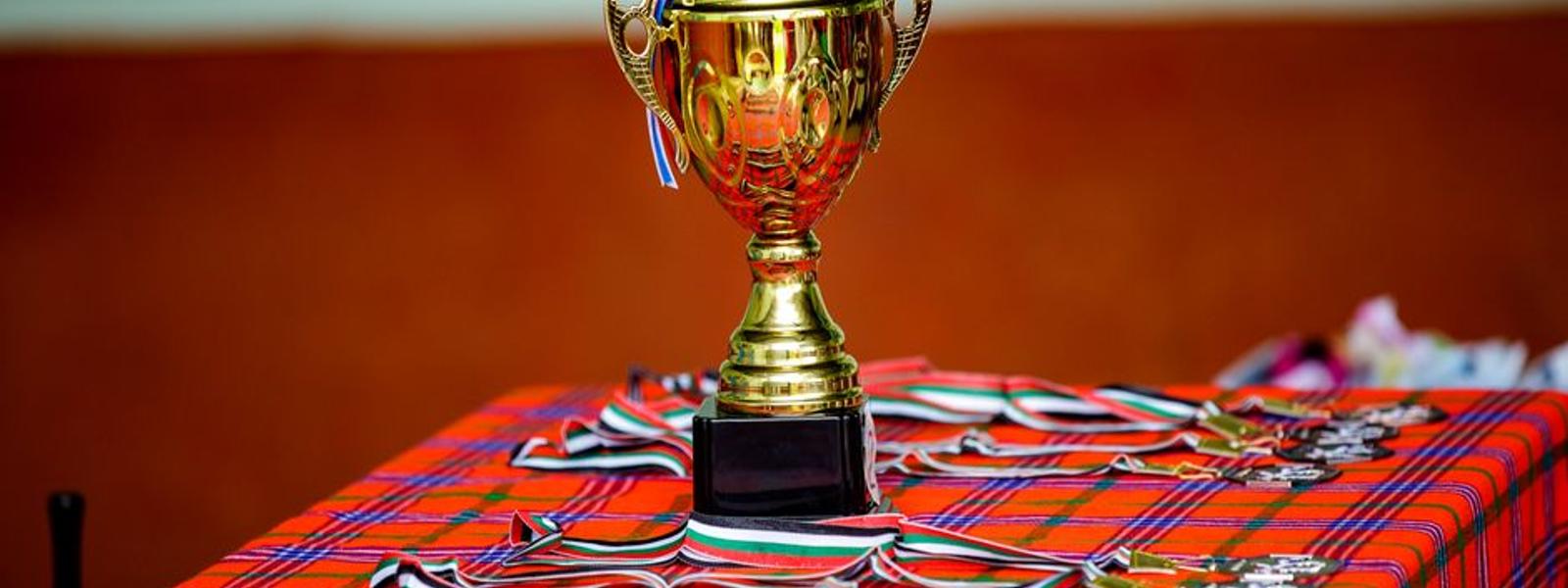
Every league that's been running longer than a season has had at least one argument about money. Somebody thought the payout was going to work a different way than it actually did, or the guy who won the overall standings quietly wonders why the skins pot ate up more of the cash than he expected. It's not really about greed. Most golfers you play with every week aren't like that. It's just that money plans that only live in someone's head, or in a group text from three seasons ago, get fuzzy fast. Write it down before the year starts and most of that friction just disappears.
Where the money actually comes from
Before you can figure out how to pay it out, you've got to know what's going into the pot in the first place. Most leagues run two or three separate pools, and mixing them up in your head is where a lot of the confusion starts.
- Season dues. A flat fee everyone pays at signup. This usually funds the season standings prize and sometimes a banquet or a trophy at the end.
- Weekly buy-in. Some leagues collect a couple bucks every single week on top of dues, often on the honor system, for that week's skins or a side pot.
- Skins and side games. Closest to the pin, longest drive, skins on individual holes. These are usually optional and kept separate from the season prize money.
Keep these separate in your head and, ideally, in whatever spreadsheet or app you're using to track it. A guy who wins the season standings but never plays the skins game shouldn't be confused about why he isn't getting skins money, and the reverse is true too. Blending the pools together is a fast way to end up with a math headache nobody wants to untangle in October.

The common ways to split a season pot
There's no one right way to do this, but most leagues land on one of a handful of structures.
Winner take all. Simple, and it does create a real incentive to fight for first place all season long. The downside is it can feel pretty flat for everybody else, especially the guy who finished second by half a point after eighteen weeks of solid golf. Smaller leagues, under fifteen or twenty players, sometimes go this route because the pot isn't big enough to split up much anyway.
Top three or top five, weighted. Something like fifty, thirty, twenty percent for the top three finishers, or a similar spread across the top five. This is probably the most common setup out there, because it rewards consistency without leaving everyone else feeling like the whole season was pointless if they didn't finish first.
Flights. If your league has a wide handicap range, splitting into a low flight and a high flight, or even three flights, and paying each one out separately keeps things fair. Nobody wants to grind through eighteen weeks knowing the same three low handicap guys are going to take the whole pot no matter what happens.
Gross and net divisions. A similar idea to flights, but instead of grouping players by handicap range, you pay out a gross winner, meaning actual score, and a net winner, meaning score after handicap, separately. This rewards both raw talent and the guy who has played smart, consistent golf relative to his own handicap all year.
None of these is objectively better than the others. It really comes down to the size of your league, how wide the handicaps spread across the field, and honestly what your group already likes doing. A league that's mostly single digit handicaps competing hard for bragging rights plays out differently than a mixed group of coworkers who just want an excuse to golf every Tuesday.
Skins and side pots
Skins games run on their own logic, separate from the season race. Usually it's a set amount per hole, and if nobody wins a hole outright the money carries over to the next one. By the back nine on a rough scoring day, one single hole can end up worth more than the rest of the round combined, which is honestly half the fun of playing skins.
A league organizer we talked to said their group learned the hard way to cap how much can carry over in a single round. One week nobody won a hole outright until seventeen, and the skins pot on eighteen ballooned to something like sixty bucks a man by the time it finally got won. Great story to tell afterward. Pretty rough night for whoever three putted from twelve feet to hand it away.

Closest to the pin and longest drive are usually flat, small amounts, five or ten bucks a man, collected and paid out the same day so nobody has to remember who owes what a month later. Keeping these settled quickly matters more than the dollar amount does.
Handling league money without it becoming a mess
A few things make this smoother, whether you're running a scramble league of eight guys or a fifty person Wednesday night stroke play group.
- Decide the structure before the season starts, and write it down. It doesn't need to be fancy. A pinned message in the group chat is fine. The point is that nobody can say later they thought it worked a different way.
- Keep a running total somewhere everyone can see. If people are trusting an organizer to hold onto cash all season long, a little visibility goes a long way toward keeping that trust intact.
- Settle skins and side games the same day if you can. Season pots can wait until the last week, but the small stuff should get paid out fast so nobody's carrying a mental tab around for months.
- Decide what happens if someone drops out mid season. Do they forfeit their dues? Get a partial refund back? This should be part of the written rules from day one, not a conversation you're having in week twelve when it actually comes up for real.
- Use whatever payment app your group already uses. Venmo, Cash App, whatever everyone already has installed. The specific tool matters a lot less than everyone actually using the same one, so you're not chasing three different apps to collect from twenty different guys.
None of this needs to be complicated, and I could be wrong, but in my experience most disputes over league money aren't really about the money itself. They're about somebody not knowing the rule ahead of time and finding out the hard way in front of everybody. Write the split down early, be consistent about it all season, and settle the small stuff quick. That's most of the battle right there.
A few common questions
How much should the season buy-in be?
There's no magic number here. A lot of casual leagues land somewhere between twenty and fifty dollars for the whole season, on top of any weekly skins money people choose to play. The bigger question is whether that number feels fair relative to what you're actually competing for. A fifty dollar buy-in with a winner take all payout and eight players in the league feels a lot different than that same fifty dollars split across the top five finishers out of forty players.
Should the organizer take a cut for running the league?
Some do, some don't, and both are fine as long as it's out in the open. If you're spending real time every week on scheduling, scorekeeping, and chasing people down for their share of the money, it's not unreasonable to build a small organizer fee into the dues. Just be upfront about it in the written rules instead of quietly folding it into the pot where nobody notices.
What happens if the league grows or shrinks partway through the season?
Try to lock in the payout structure at the start of the year based on a reasonable guess at your final numbers, and stick with it even if a few people drop out or a couple more join late. Constantly recalculating percentages every time the roster shifts is a good way to make people suspicious of the math, even when nothing shady is actually going on behind the scenes.
At the end of the day, the money side of things is a fairly small part of why most people actually show up to league night. Get the structure written down early, keep it visible all season, and it mostly takes care of itself from there. If you're looking for an easier way to track dues, side pots, and who's actually paid up so far, that's something Hold the Green handles for you automatically.